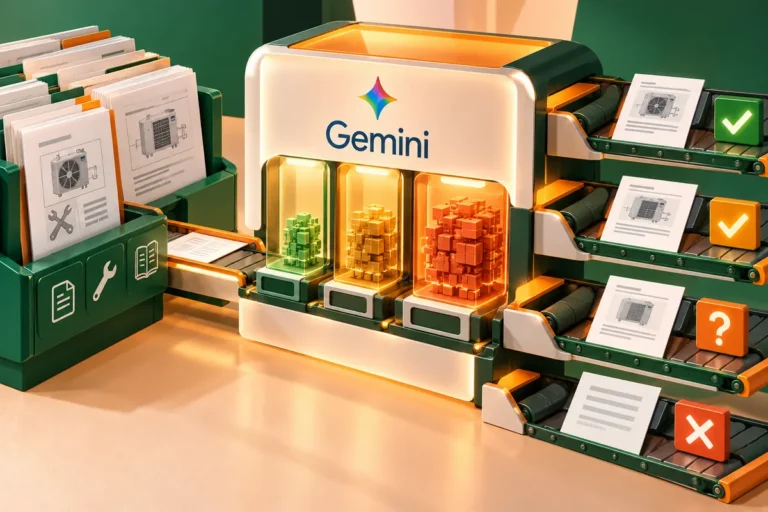
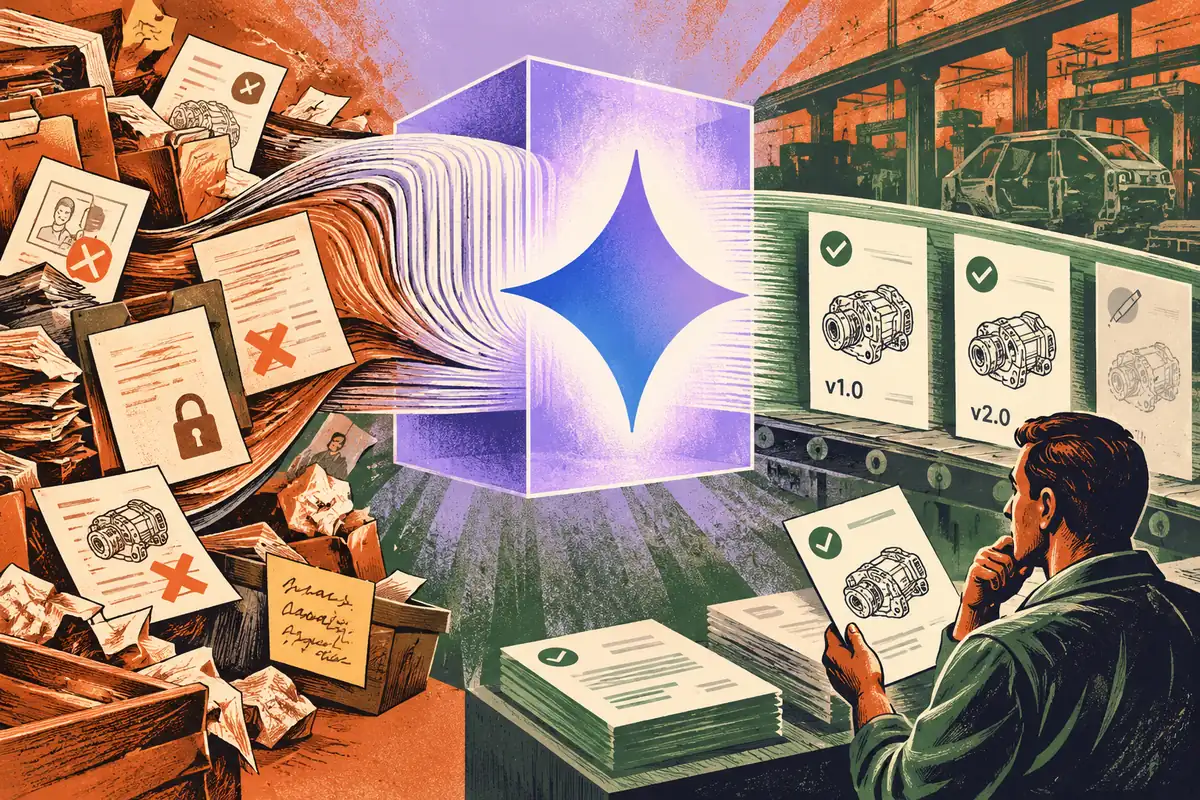
A larger context window makes it tempting to send the entire folder and ask a model to work everything out. That is an understandable shortcut, but it can hide contradictions, obsolete files and unnecessary private information. Google’s February Gemini 1.5 preview expands the conversation about long-context processing. The useful business question is which information the task needs, not simply how much the model can accept.
Keep the preview’s scope clear
Google describes a limited preview of the experimental long-context capability. That is not the same as unrestricted availability in every Gemini product. Record the specific model and access arrangement used in a trial, and distinguish an announced capability from one that the intended application can already depend on.
A long context window is also not a promise that every detail will be used correctly. A response may omit a qualification, confuse similar documents or give too much weight to an irrelevant section. The larger the input, the more important it becomes to have a clear way to judge the result.
Give the folder an editorial structure
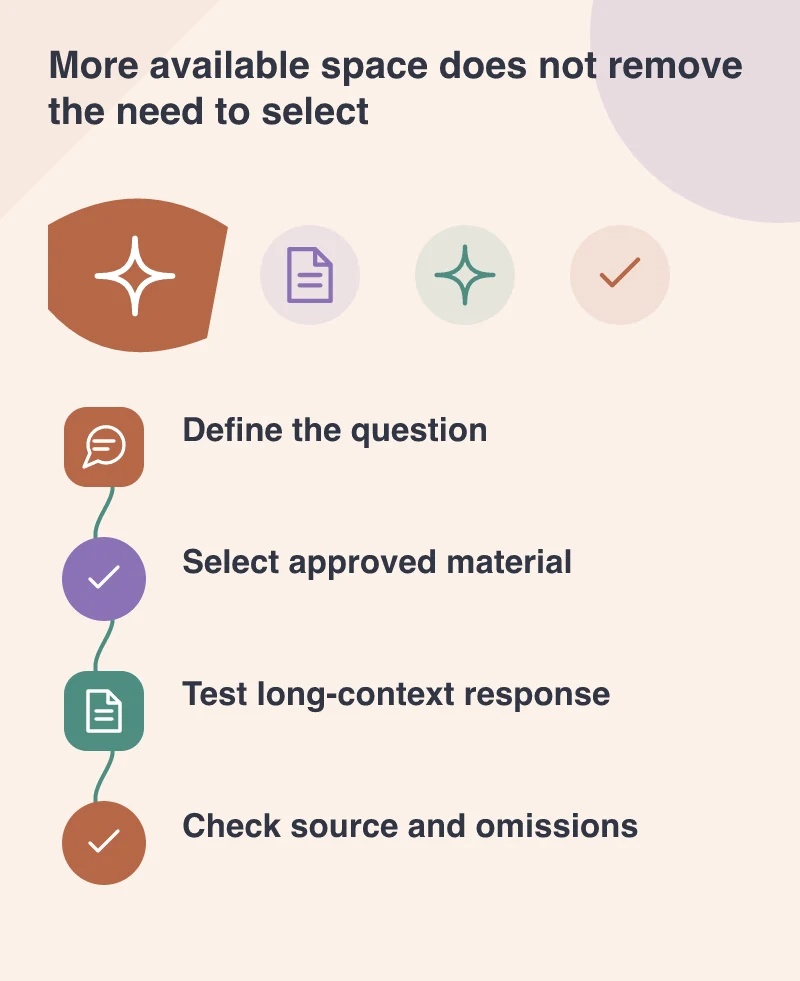
Imagine a manufacturer comparing several product specifications. Separate approved specifications from draft notes and mark the product version on each document. Tell the reviewer which files should govern the answer. That structure helps both the application and the person assessing its output.
Remove material that has no legitimate role in the task. Sending unrelated customer details because there is enough space is a poor substitute for a data decision. A well-prepared input makes the comparison easier to inspect and reduces the chance that an irrelevant document quietly becomes the basis of a conclusion.
Test relationships, not just recall
A useful evaluation should ask the model to connect a requirement with the section that supports it, identify a genuine difference between two products and recognise when the material is insufficient. Include information located in different parts of the collection, not only a prominent statement at the beginning.
Have a subject expert check the cited or identified passages and the qualifications carried into the answer. A confident summary can still merge two separate conditions. Keep the original material close enough to the result that the reviewer does not have to repeat the entire investigation to find out what went wrong.
Compare the complete workflow
Measure the time and effort needed to prepare the material, receive the response and verify it. A longer input can remove some retrieval steps while introducing another kind of review burden. The appropriate design depends on the task, the document collection and the consequence of an incorrect answer.
The longer-context preview offers a valuable experiment, especially for work that genuinely depends on relationships across a larger body of material. It does not make curation obsolete. A useful trial ends with a clearer understanding of what the system can reliably help a person inspect, and which judgements still need a deliberate human decision.