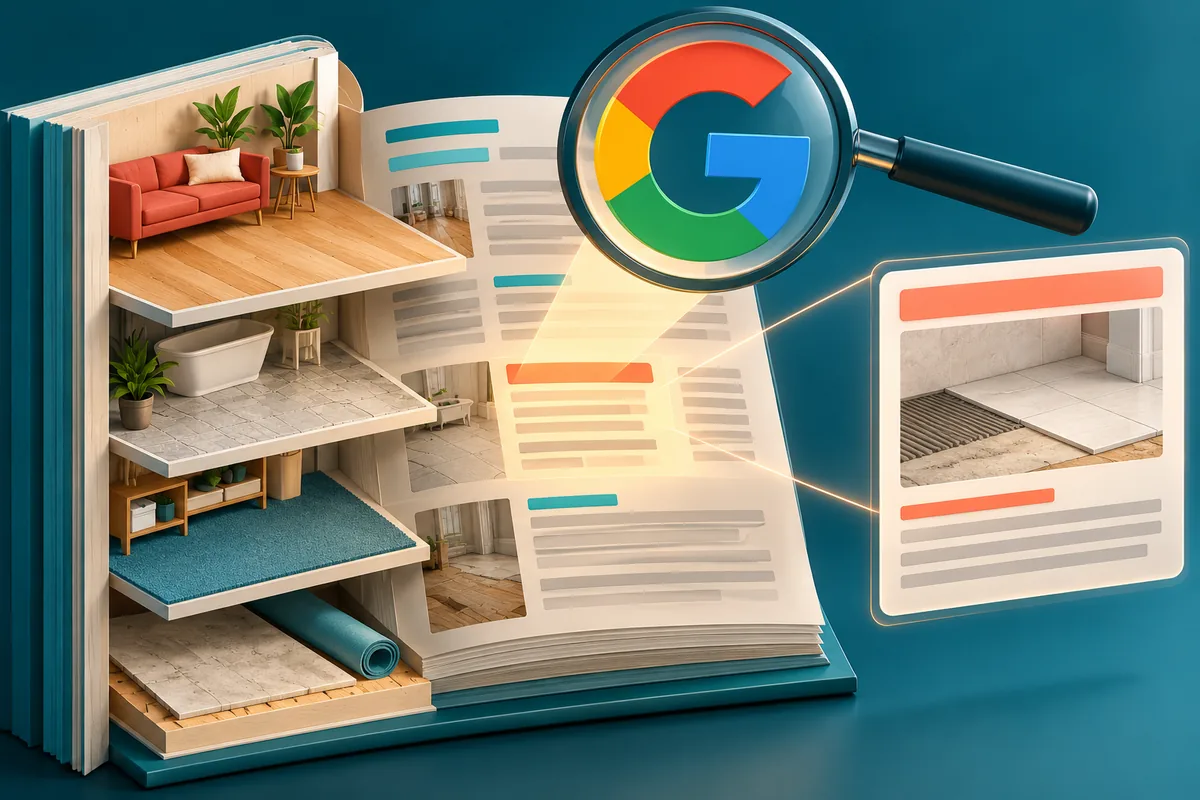
A customer asks a narrow question, but the answer lives halfway down a much broader guide. That is a familiar publishing problem: the information exists, yet finding it takes more effort than it should. Google’s October SearchOn announcement includes improvements to understanding the relevance of individual passages. A business can respond by making its existing explanations clearer, instead of searching for a new place to pack keywords.
Keep the announcement in context
Google described a breakthrough in understanding specific passages alongside the relevance of a whole page, with a global rollout planned. The announcement concerns how relevant web pages can be identified and ranked. It is not an instruction to split every paragraph into a separate page or a guarantee that a particular sentence will receive a special search treatment.
The editorial opportunity is straightforward. A substantial guide can answer several connected questions well, provided the structure lets a reader recognise where each answer begins and what it applies to.
Write the question a customer actually has
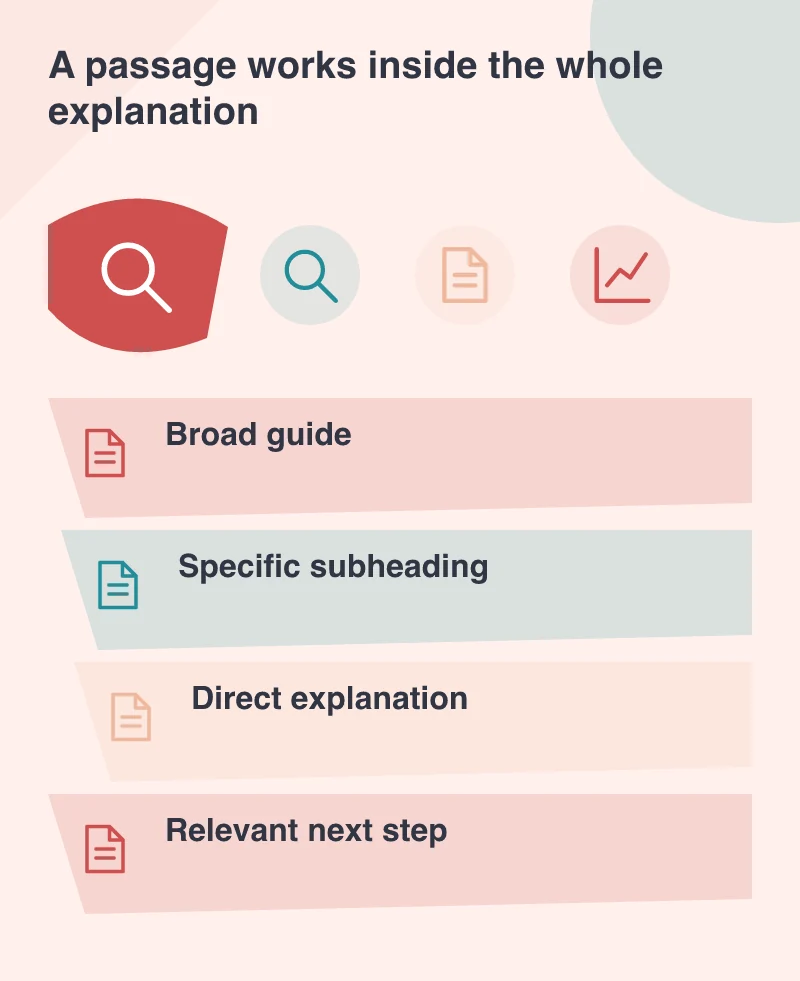
Imagine a flooring retailer explaining installation. A visitor might need to know whether a material suits a particular room or how the existing surface affects preparation. A heading such as More information gives little help. A heading that names the actual issue provides a useful signpost even before the reader reaches the answer.
The explanation should then address that issue directly. Avoid making a reader cross several promotional paragraphs before discovering the condition that matters. Context belongs in the passage, but a general statement about the brand does not substitute for an answer about the customer’s situation.
Preserve relationships between the details
A short answer can mislead if it loses an important qualification. Explain which product, condition or use case the advice covers. Link to closely related information where it genuinely helps, such as preparation requirements or a product specification. The aim is to let the person complete their understanding without guessing which general statement applies.
This is also a reason to keep a coherent page architecture. Several tiny pages repeating the same introduction can be harder to maintain than a carefully structured guide. Choose the structure around the reader’s task and the business’s ability to keep the information accurate.
Review the material you already own
Start with the questions arriving through support, sales calls and on-site search. Compare them with the existing guides. Some answers may be present but buried under vague headings; others may be missing altogether. Improving those gaps can be a more useful first step than commissioning another broad article.
October’s announcement is a reminder that search technology and good explanations meet at the same point: helping a person find relevant information. A clear heading, a precise answer and the right surrounding context remain decisions the publisher can control. Treat them as the substance of the work, rather than as decoration around an imagined algorithmic shortcut.