A more natural conversation can make an assistant feel ready for work before the surrounding service is ready for customers. GPT-4o’s May announcement shows a broader combination of text, image and audio capabilities, with different availability plans. For a business considering AI support, the most useful design task may be less spectacular: make it obvious when the assistant can help and how a person takes over when it cannot.
Separate the demonstration from the available feature
The announcement describes capabilities and staged product or API availability. A team should record what it can actually use for its intended application this month, rather than assuming every demonstrated interaction is immediately available through the same interface. A prototype plan needs that distinction before time is committed to implementation.
The customer-facing explanation should be equally precise. Describe the task the feature supports, not a broad promise that it understands anything. An assistant helping someone locate a product guide is easier to assess and improve than one introduced as a replacement for every support interaction.
Preserve the customer meaning across inputs
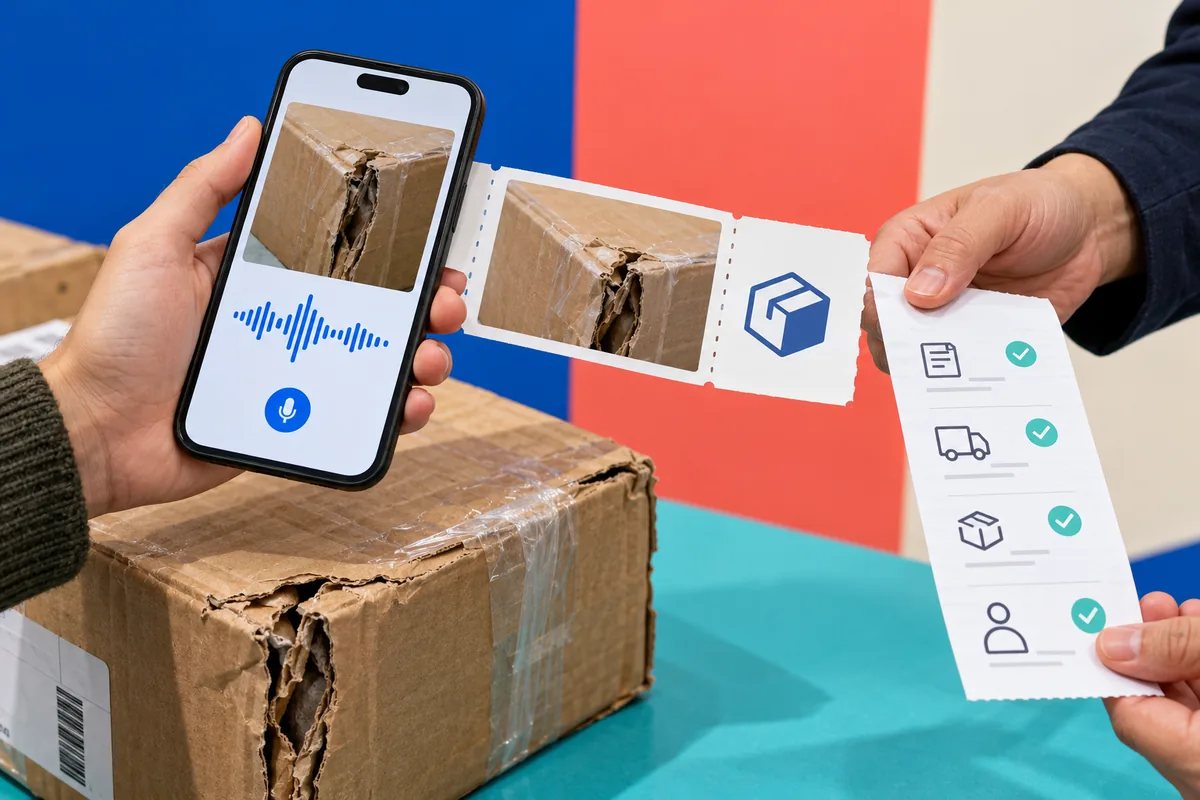
A person may type a model number, attach a photograph and then correct a detail. The interface needs to preserve that context without turning an earlier guess into a confirmed fact. Show important selections back to the user and ask for clarification where the available information leaves more than one plausible interpretation.
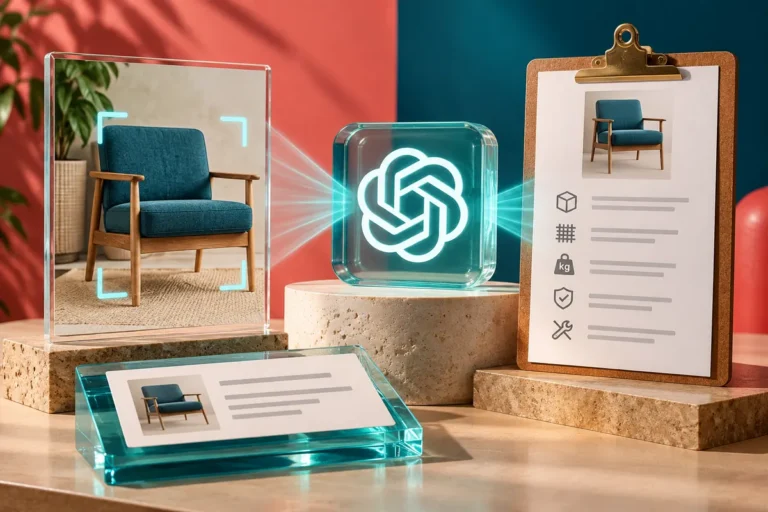
For an appliance retailer, an image might help identify a visible label while the catalogue supplies the relevant guide. The assistant should distinguish what the customer supplied from what the business record confirms. A natural tone is useful, but it should not make an uncertain identification sound authoritative.
Design the handover as part of the task
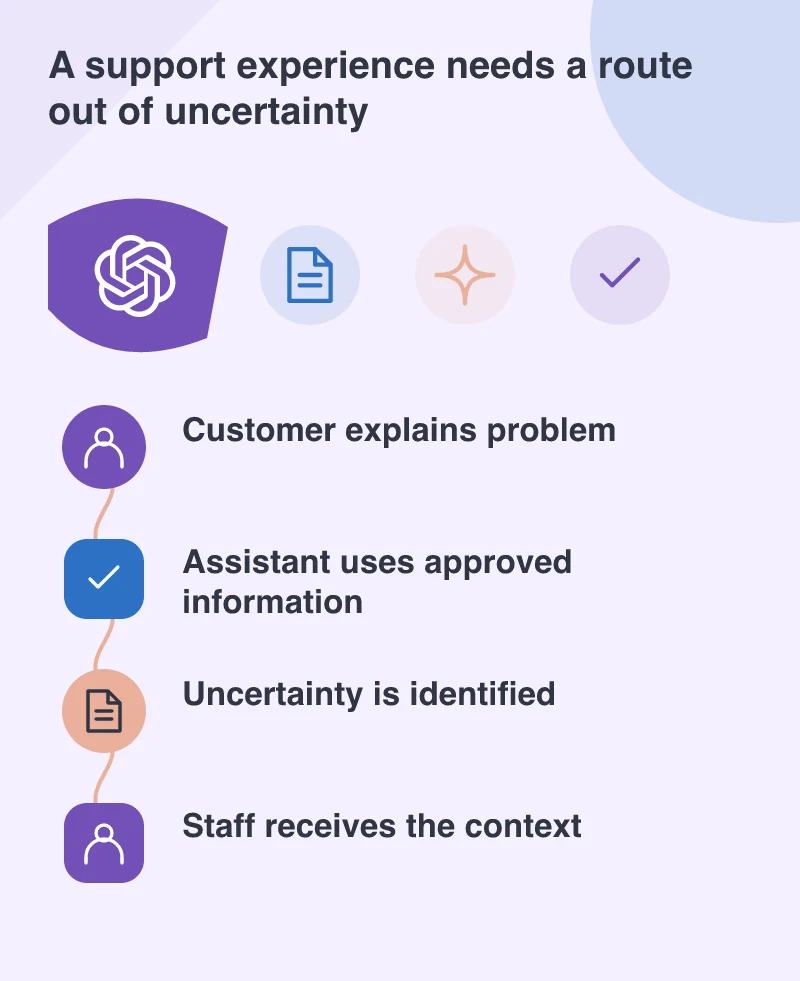
When staff help is needed, pass on the useful context with the customer’s awareness: the question, relevant product reference and what remains unresolved. Do not make the person repeat the whole story simply because the automated stage ended. Equally, avoid collecting unrelated information just to make the handover look comprehensive.
Make the waiting state understandable. Tell the customer whether a message has been sent, whether a live colleague is available or whether the next step is an ordinary enquiry. Those are different service promises, and a conversational interface should not blur them into a vague assurance that someone is helping.
Evaluate the uncomfortable examples
Include contradictory input, a poor photograph, an unsupported request and a case requiring a policy exception. Review whether the assistant asks a useful question, stays within the approved information and makes the transition to staff clear. These cases reveal more than a smooth demonstration with a prepared prompt.
GPT-4o expands the possibilities for assistance. The business value still depends on a complete service design around them. A customer should finish knowing what has been understood, what has actually happened and who is responsible for the next step, even when the assistant cannot complete the request alone.