
“Please change the second paragraph” is a fragile instruction once a draft has moved around. Feedback in email, a screenshot and a chat message can refer to three different versions of the same page. WordPress 6.9’s Notes feature offers a more direct place for that conversation.
Put feedback beside the thing it describes
Released on December 2, WordPress 6.9 adds block-level comments in the post editor. A reviewer can attach a note to the relevant part of the content. That keeps the subject and its discussion closer together, especially when several people are refining a long page.
The feature is most useful when comments explain the desired outcome. “This section needs to explain who qualifies” gives the writer a decision to resolve. “Make it better” merely relocates a vague request from the inbox to the editor.
Give reviewers different responsibilities
A service page may need a subject specialist, an editor and a final approver. Their contributions are different. The specialist checks whether the explanation is accurate, the editor checks whether it is understandable and the approver decides whether the page is ready to represent the business.
Imagine a training company publishing a course page. A note beside the eligibility block can identify a missing prerequisite. Another beside the registration section can clarify when a place becomes confirmed. These comments are easier to act on when the relevant content remains visible.
Resolve decisions rather than collecting comments
A growing list of notes is not automatically a healthy review process. Give each meaningful issue an owner and close it when the decision has been made. If a conversation changes the business rule, update the source of that rule as well as the page.
Keep final approval distinct from an individual comment being resolved. A reviewer might accept one revised paragraph while other sections remain unfinished. The publishing process should make that distinction clear to everyone involved, including occasional contributors.
Agree where factual decisions are recorded after the review. A note can identify the problem, but the approved eligibility rule or delivery condition should also reach the maintained source of that information. Otherwise, another page may repeat the same uncertainty.
Build a review rhythm people can sustain
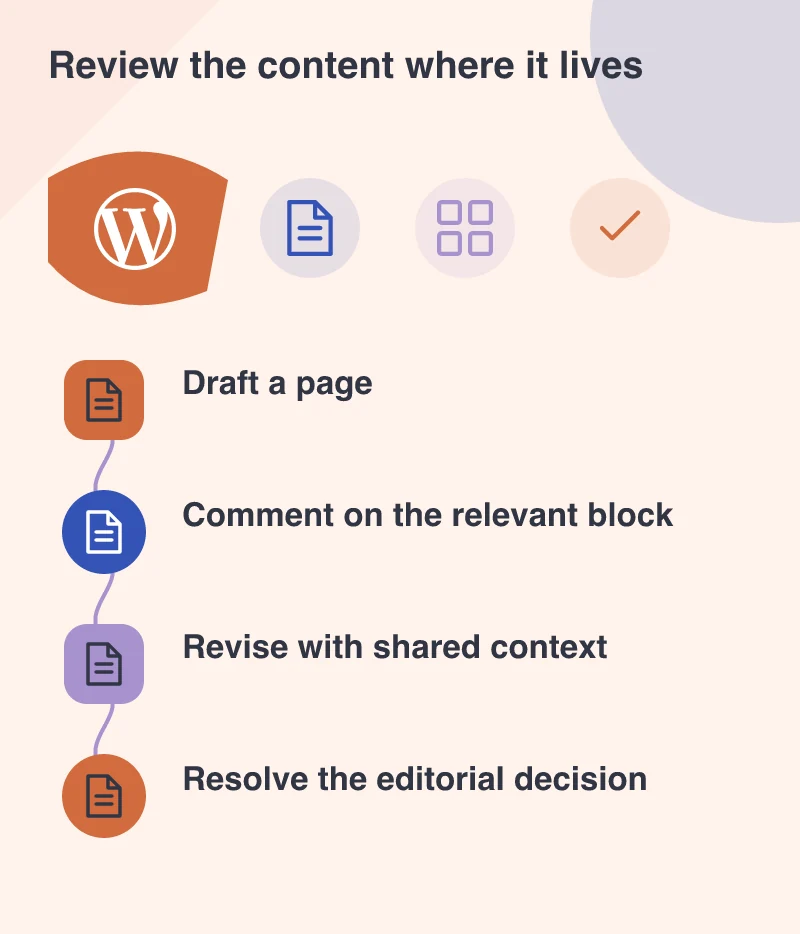
For a small team, a short scheduled review may be enough: finish a draft, gather focused comments, revise and approve. Avoid turning every minor wording choice into a committee discussion. Use Notes where shared context saves time or prevents misunderstanding.
The appeal of the feature is ordinary and valuable. It reduces the distance between a piece of content and the conversation needed to improve it. A page can become clearer through collaboration without the editor reconstructing a trail of detached messages before making each change.