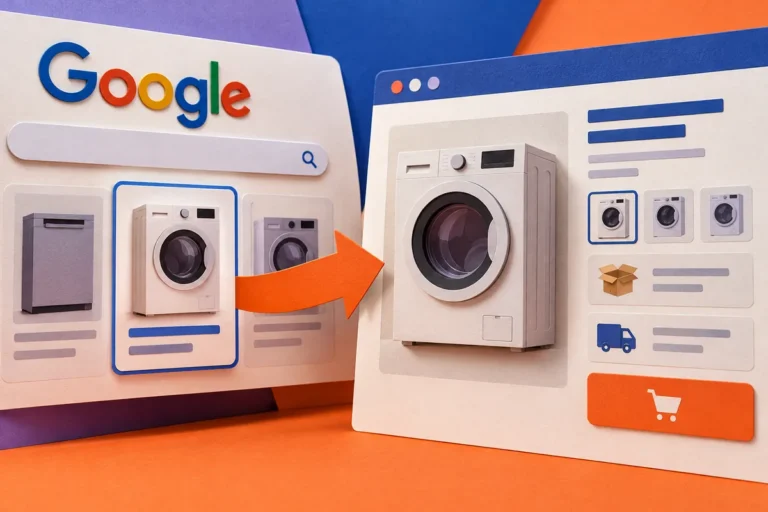
A page calls itself a review, but every paragraph could have been written from the manufacturer’s specification sheet. The reader still does not know whether the product suits their situation. Google’s December product-review guidance puts attention on evidence and the basis of a recommendation. For a business publisher, that is a useful challenge: make the article more informative by being precise about what the writer actually knows.
Label the kind of article honestly
Google’s 1 December post encourages evidence of experience and supporting material, along with appropriate options for purchasing. It does not make a collection of affiliate links into a helpful review. Nor does it provide a reason to imply hands-on testing that never happened.
A specification-based comparison can still be useful. Call it a comparison or buying guide and explain the basis. If a product has been tested, describe the relevant conditions and observations. The reader can then understand how much weight to place on the conclusion.
Choose details that affect a decision
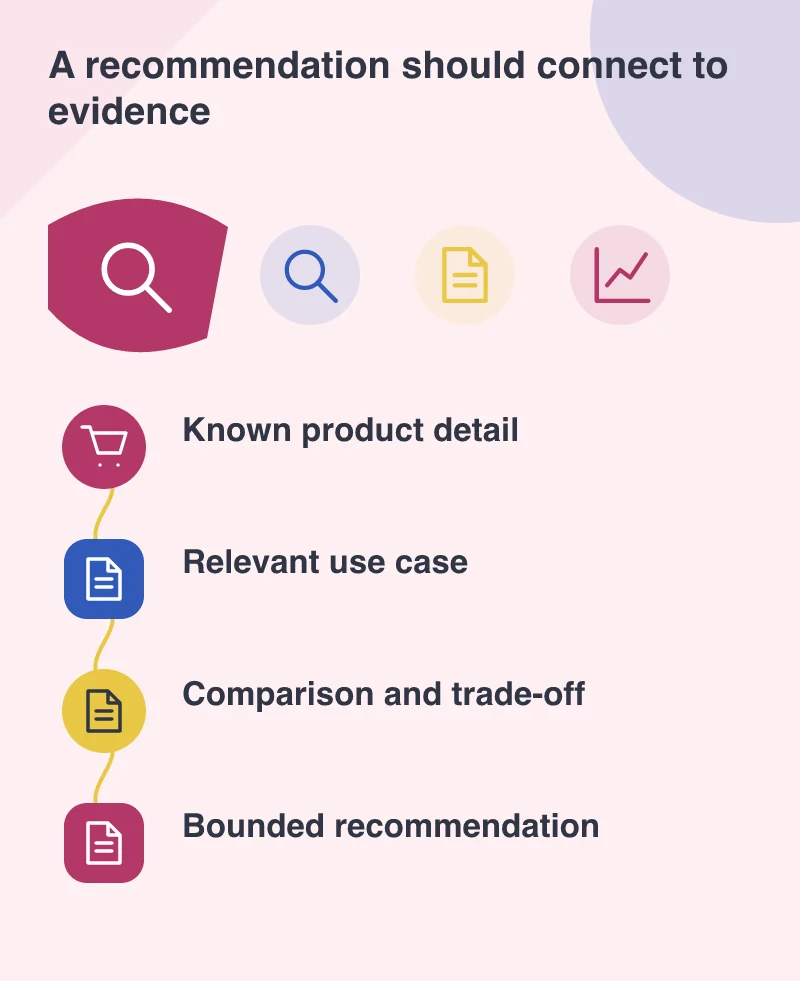
Picture someone comparing two pieces of office equipment. A list of dimensions is useful only when connected to a real constraint, such as fitting a particular workspace. A claimed feature matters when the article explains what task it supports and where its limitations become apparent.
Avoid expanding the article with features that do not change the choice. The strongest comparison may focus on a few meaningful differences rather than giving every specification equal space. That focus helps the reader recognise which product suits their own priorities.
Let visual evidence do explanatory work
A photograph can show a control layout, a connection or the scale of a product in use. A diagram can explain a relationship that is difficult to see. Choose images for the information they add, rather than using a row of attractive stock pictures to create the appearance of a thorough test.
Captions should explain what the reader is looking at and why it matters. If an image is supplied by a manufacturer, distinguish it from an original test photograph. An article should not borrow the visual language of hands-on evidence without providing the corresponding work.
Make the recommendation conditional
Different customers can reasonably choose different products. Explain which constraints or priorities lead to the recommendation and which alternative may be better in another situation. A clear trade-off is more useful than declaring one item universally best.
Keep factual claims linked to their basis and revisit information that can change, such as availability or a particular supported feature. A dated observation should not quietly become a permanent promise.
Give the reader a sensible next step
Link to relevant supporting information and purchasing options where appropriate, without turning the end of the article into a wall of competing buttons. The next step should follow the comparison the reader has just understood.
Let the article’s scope determine the next step. A reader comparing products may need a specification page or a way to ask about fit, rather than an immediate checkout prompt. Evidence earns its place when it helps that decision, including a candid explanation of what has not been tested.