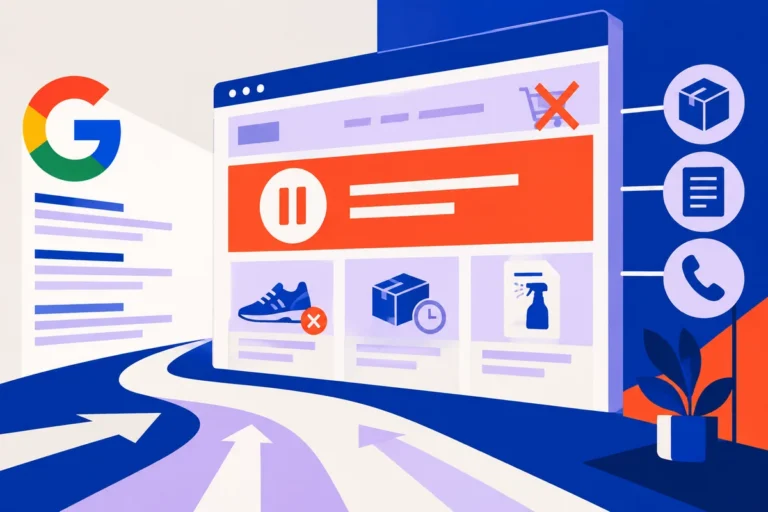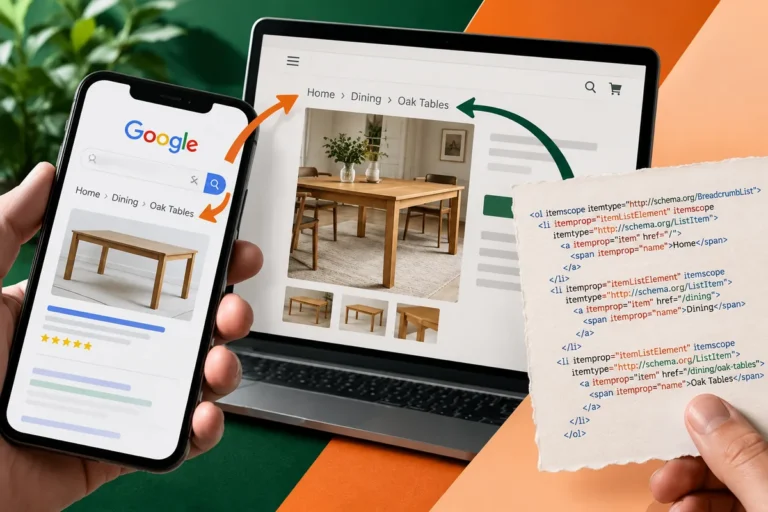
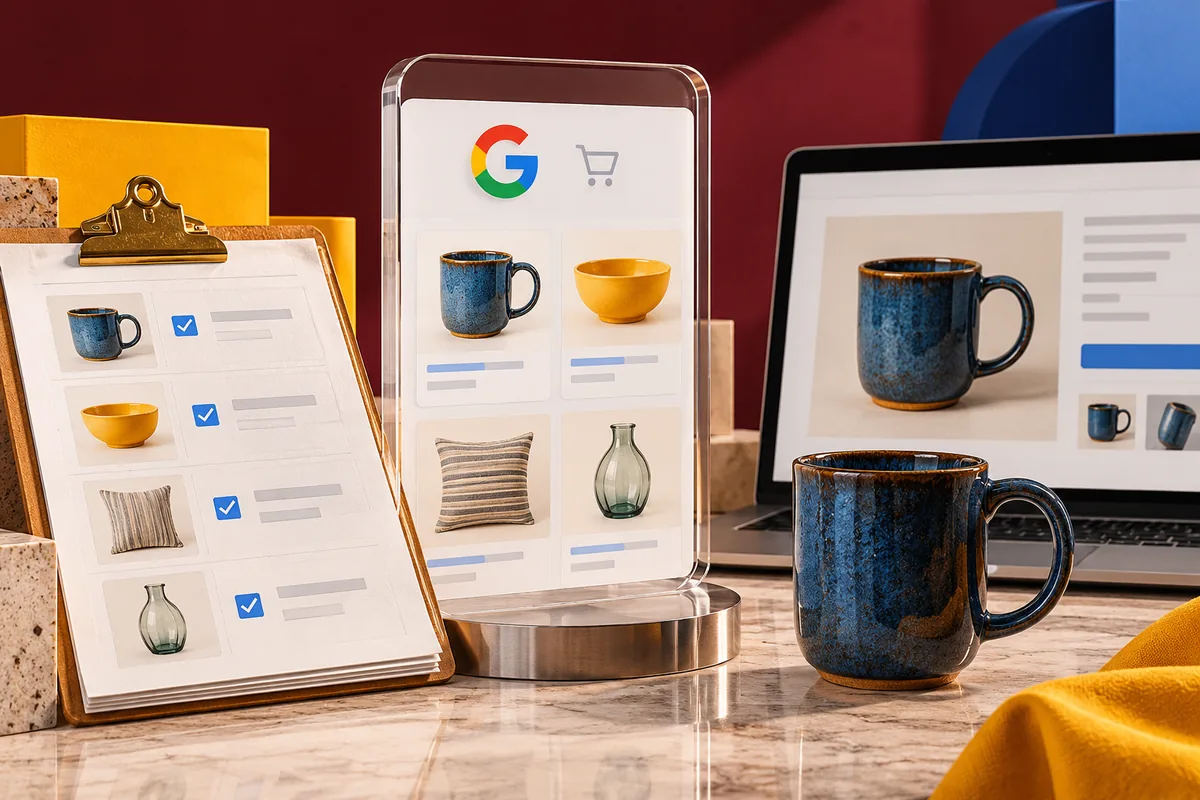
A retailer under pressure to find customers can understandably welcome the words free listings. In April 2020, Google announced that the Shopping tab would begin featuring primarily free product listings in the United States, with expansion elsewhere intended later in the year. The opportunity is real, but a useful listing depends on something less glamorous than a new channel: a catalogue that accurately describes what the business can supply.
Understand the announcement’s boundary
The change concerned product discovery on Google’s Shopping tab. It did not mean that advertising, fulfilment or running an online store had become free. It also did not make the US rollout immediately available to every market. A retailer should check the applicable programme and account setup rather than treating a worldwide ambition as an existing local feature.
That distinction is especially useful during COVID disruption. Teams may be changing opening hours, delivery promises and stock rules rapidly. A new route to discovery can amplify clear information, but it can amplify mistakes as well.
Start with a small, dependable selection
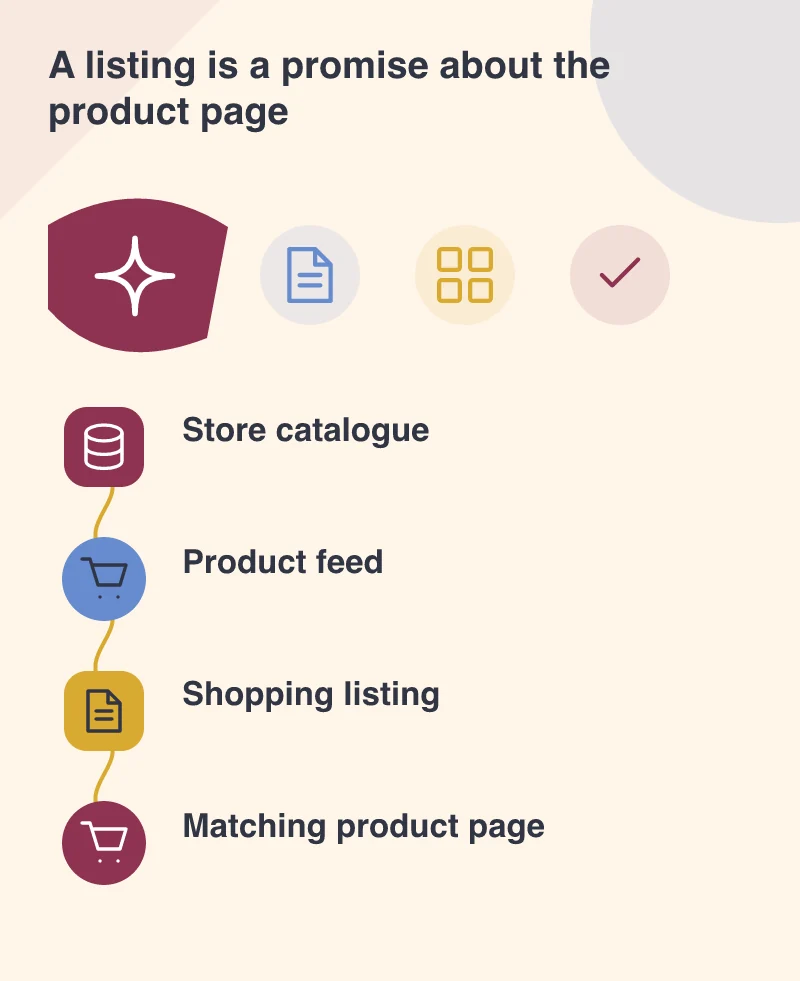
Imagine a homewares retailer with hundreds of products but a reduced dispatch team. Instead of rushing the entire catalogue into another feed, start with items whose availability and delivery arrangements are known. Review names, images, prices, identifiers and destination URLs together. A shopper should recognise the same item after following the listing.
This is also a chance to separate an attractive photograph from an informative one. A good product image helps someone identify the actual item. It should not hide differences between sizes or finishes that matter to an order. The catalogue is doing sales work before a visitor reaches the website.
Decide which system owns each answer
An ecommerce platform, inventory application and marketing feed can each contain a value for stock or price. Agree which one is authoritative and how changes move between them. Manual corrections made only in the destination service may be overwritten by the next export, leaving the team repeatedly fixing the same discrepancy.
Build a short exception list. Which products should be excluded because delivery is uncertain? Which variants require separate attention? Who investigates a rejected or mismatched item? A feed is a continuing information service, not a spreadsheet uploaded once and then forgotten.
Measure whether the visits are useful
Review the resulting customer journey, not simply whether products appear. Can a visitor find delivery information before checkout? Does an unavailable option remain selectable? Can the support team explain the offer that brought the customer to the site? These checks connect the channel to the business’s ability to fulfil the promise.
Begin with a controlled selection whose stock and dispatch promises the team can stand behind. Review the first visits against the item pages and the questions support receives. A discovery channel introduces a customer to the offer; the catalogue, checkout and dispatch operation still have to deliver it.