Some business articles earn their place because someone needs the answer today. Others are worth keeping for the next time the problem arises. Google’s Discover announcement on 24 September gives that second kind of content an interesting context: the refreshed feed can show evergreen material that is new to the person seeing it, even if it is not newly published. There is no invitation here to manufacture a news story every morning.
A durable article solves a recognisable problem
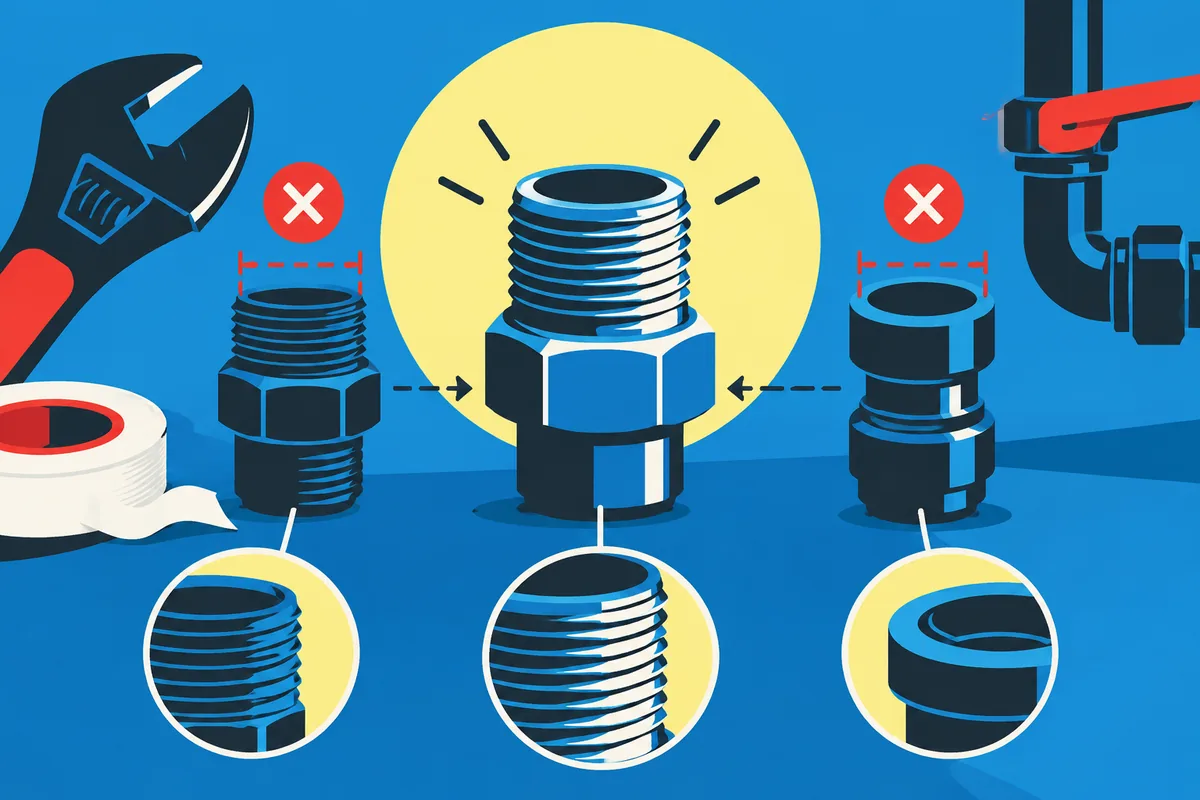
Imagine a retailer explaining how to choose the correct fitting for a replacement part. A clear comparison, photographs of the relevant details and a short explanation of common mistakes can remain useful beyond a launch campaign. The reader should be able to use it even if they have never heard of the retailer before.
That differs from a thin announcement saying that a business is passionate about quality. Start with the question a customer struggles to answer, then supply enough detail to help them decide. If the answer depends on a measurement, show the measurement. If it depends on a limitation, state it before the person reaches the enquiry form.
Discovery changes the opening of the page
Discover is designed around interests rather than requiring a typed query for each item. A visitor arriving this way may not share the assumptions of someone who searched for an exact product. Give the article a title and opening that explain its subject immediately. Avoid a vague introduction that spends several paragraphs talking about the industry before identifying the practical problem.
The announcement highlights visual material alongside evergreen articles. Use an image that helps the reader understand what the piece contains. In the fitting example, a close comparison of two connectors says more than an unrelated photograph of a person holding a tablet. Keep captions and surrounding text useful when the image is small or cannot be seen.
Do not build an editorial budget on a promise of exposure
A description of Discover’s features is not a guarantee that a particular business will appear there. The owner cannot turn a feed placement into a dependable lead forecast merely by publishing suitable articles. Judge a piece partly by its usefulness to existing customers, sales conversations and ordinary website visitors. Those are reasons to publish that do not depend on an uncertain distribution channel.
Keep commercial intent clear. A helpful explanation can link naturally to the relevant product or service, but it should not withhold the answer until the visitor submits contact details. A reader who learns enough to rule out an unsuitable product has still been helped. That honesty can make the remaining enquiries more specific without promising a numerical improvement.
Keep old usefulness visible
Review durable articles when products or advice change. Preserve a meaningful publication history and identify substantive updates honestly. An old date is not a defect if the information remains accurate; a recent-looking date cannot rescue obsolete details. Assign ownership so the article does not outlive the knowledge needed to maintain it.
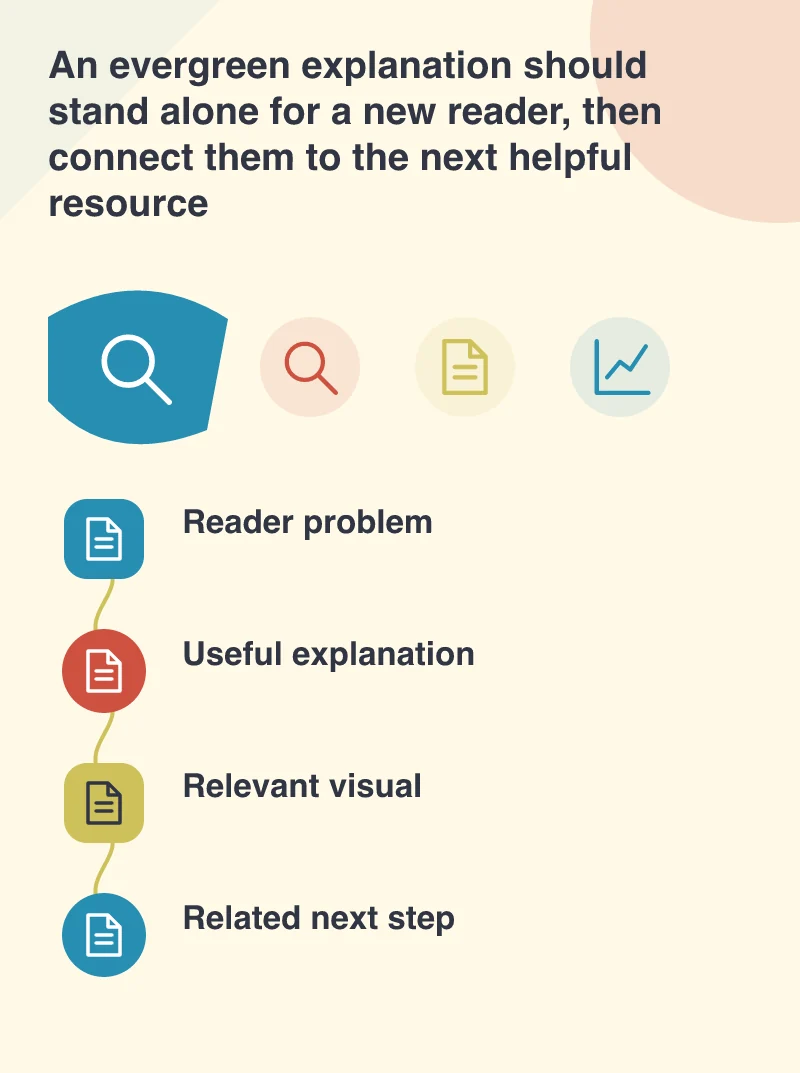
Connect the piece to related explanations and the next reasonable action. Someone learning to identify a fitting may also need a measuring guide or a contact route for an unusual case. Good connections let curiosity continue through the site. They also make an article more than an isolated attempt to catch a passing visit.