

Personalised headless content must still explain the offer consistently
PWA Studio 12.3’s dynamic-block support makes audience-specific storefronts more practical, while adding important state and testing questions.
THE NOESIS JOURNAL
PWA Studio 12.3’s dynamic-block support makes audience-specific storefronts more practical, while adding important state and testing questions.

February’s rollout is a reason to test desktop customer tasks rather than assume mobile results describe every visit.
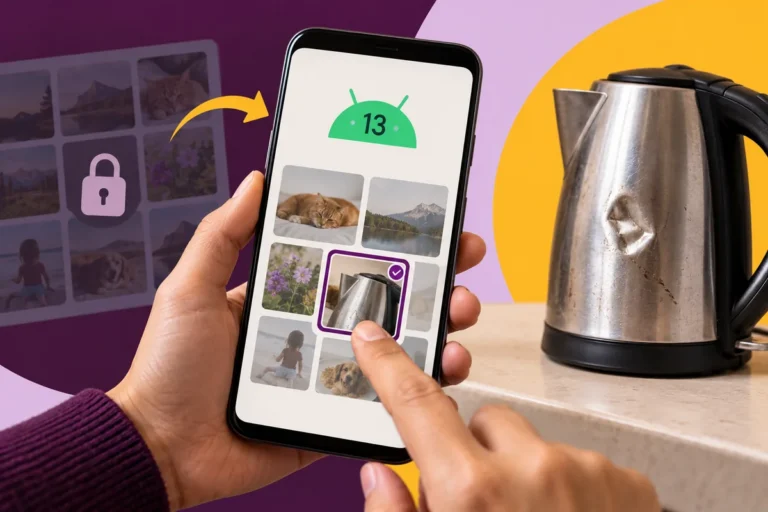
The first preview offers a narrower media-selection idea that business apps can assess around a concrete customer task.

January’s human-feedback research is a prompt to evaluate language models against real tasks and explicit review criteria.
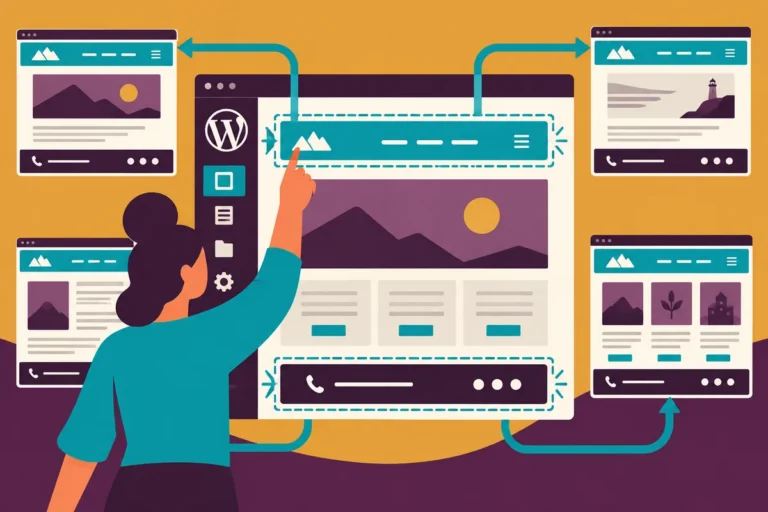
The new SiteEditor is powerful when a block theme gives editors clear control over shared headers, footers and templates.

A framework update can help, but the customer still experiences the complete app, including network work and startup decisions.
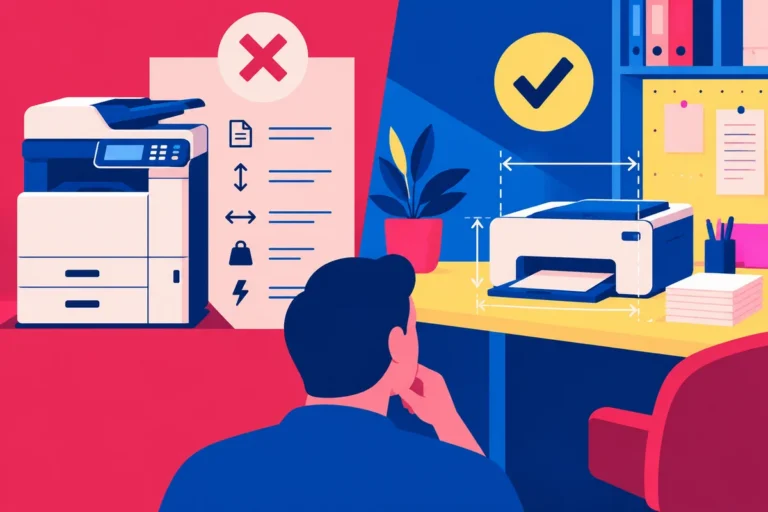
Google’s December guidance makes evidence, comparison and honest scope more valuable than a page that merely repeats product specifications.

PWA Studio 12.1’s contact mutation highlights an often-neglected part of a separate storefront: making sure a customer’s message reaches somebody.
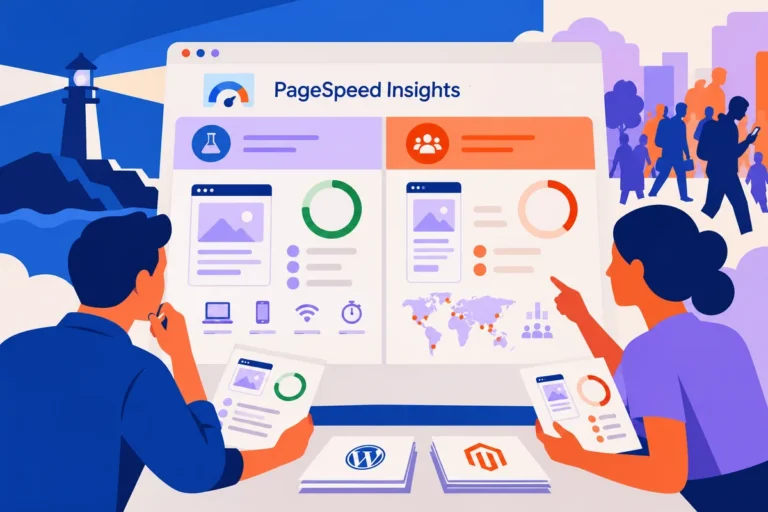
November’s announced redesign makes the distinction between real-use evidence and a controlled Lighthouse test easier to discuss.